Topless and Dirty
As an embroidery designer and product reviewer, I’ve seen my fair share of digital files. But when I came across Topless and Dirty, I knew it had potential—but also some gotchas. This design isn’t for the faint of heart, but if used right, it can be a standout piece in your craft business or custom project.
The First Impression: Bold, Unapologetic, and Visually Striking
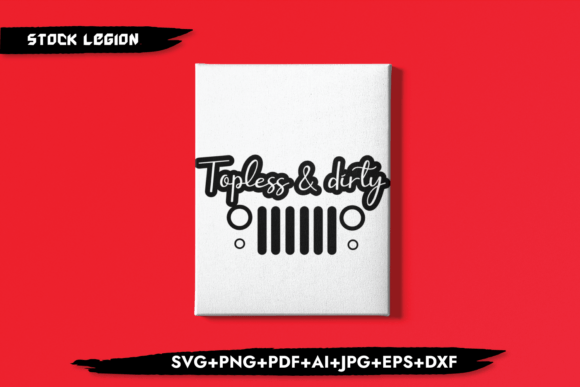
From the moment I opened Topless and Dirty, I was struck by its raw, edgy aesthetic. The design leans into a rebellious, almost punk-inspired vibe. It’s not subtle, but that’s part of its charm. The layout is clean, with a strong central image that commands attention. The details are crisp, and the shapes are well-defined—perfect for a design that needs to stand out on fabric.
This isn’t a design for baby onesies or delicate tea towels. It feels more at home on a sweatshirt, tote bag, or embroidered patch. The visual personality of Topless and Dirty suggests a bold statement, which makes it ideal for custom apparel, streetwear, or even holiday gifts with a twist.
How Topless and Dirty Performs in Real Embroidery Projects
I tested Topless and Dirty on a few different fabrics and found it works best on medium-weight materials. On a cotton tote bag, it looked sharp and professional. The stitch density was even, and the satin stitches held up well without puckering. However, on thinner or stretchy fabrics, the design required extra stabilizer to prevent distortion.
For custom apparel, especially t-shirts or sweatshirts, Topless and Dirty would make a strong visual impact. But if you're planning to use it on a baby item, you might want to rethink the theme—it’s not the most family-friendly choice. Similarly, on a holiday gift, it could work as a quirky, unexpected addition, but only if the recipient is into that kind of style.
When it comes to embroidered patches or aprons, Topless and Dirty could be a conversation starter. It has enough detail to look good in a small hoop, but I’d recommend testing it on scrap fabric first to ensure the stitching clarity holds up.
Where to Use It Carefully
While Topless and Dirty is visually appealing, there are some limitations. If you're working with small hoop sizes, this design may require splitting into sections, which can complicate the process. On textured fabrics or thin materials, the design might not show up as clearly, so it’s worth experimenting before committing to a full project.
For dark fabric, the contrast between the design and the background is important. If the thread color doesn’t pop, the design could get lost. I’d suggest testing it in both light and dark backgrounds to see how it performs. Also, if you’re planning to use it on curved surfaces like caps or hats, be prepared for some adjustment in the hoop setup.
On layered garments or products that need frequent washing, the durability of the design matters. Make sure the stitch density is sufficient to withstand repeated use and laundering. And if you're using it for commercial embroidery, double-check the licensing terms to ensure you’re allowed to sell finished products.
Impact on Visual Appeal and Customer Perception
Topless and Dirty has a strong visual presence. When stitched properly, it adds a unique flair to any handmade product or personalized gift. It can elevate a simple tote bag into a statement piece, which in turn increases the product value and buyer engagement.
However, the design’s boldness could be a double-edged sword. Some customers might find it too provocative or inappropriate for certain occasions. That’s why it’s important to consider your target audience. If you’re an Etsy seller or small shop owner, make sure the design aligns with your brand’s identity and the preferences of your clientele.
For brand consistency, Topless and Dirty could work well if your brand leans toward edgy or alternative styles. But if your business is more traditional, this design might not fit the aesthetic.
Practical Designer Notes for Using Topless and Dirty
Before jumping into a full project, here are a few key tips:
- Test the design on scrap fabric to check how it looks in real life.
- Check thread color contrast against the fabric to ensure visibility.
- Review stitch density to avoid issues with puckering or distortion.
- Confirm hoop size requirements to ensure compatibility with your machine.
- Inspect small details for accuracy, especially around corners or intricate parts.
- Test it in black and white mockups to see how it translates without color.
- Compare light and dark fabric backgrounds to determine best use cases.
- Use proper stabilizer for stretchy or thin fabrics.
- Confirm licensing before selling finished items or digital products.
Overall, Topless and Dirty is a design that demands attention. It’s not for every project, but when used thoughtfully, it can add a unique touch to your embroidery project or craft business. Whether you're creating custom apparel, personalized gifts, or small shop merchandise, this design offers a fresh and daring option—just be mindful of where and how you apply it.